Lakes Region Residents Share Mixed Experiences With Local Healthcare Following Concord Hospital’s Acquisitions
Watch the meeting recording here.
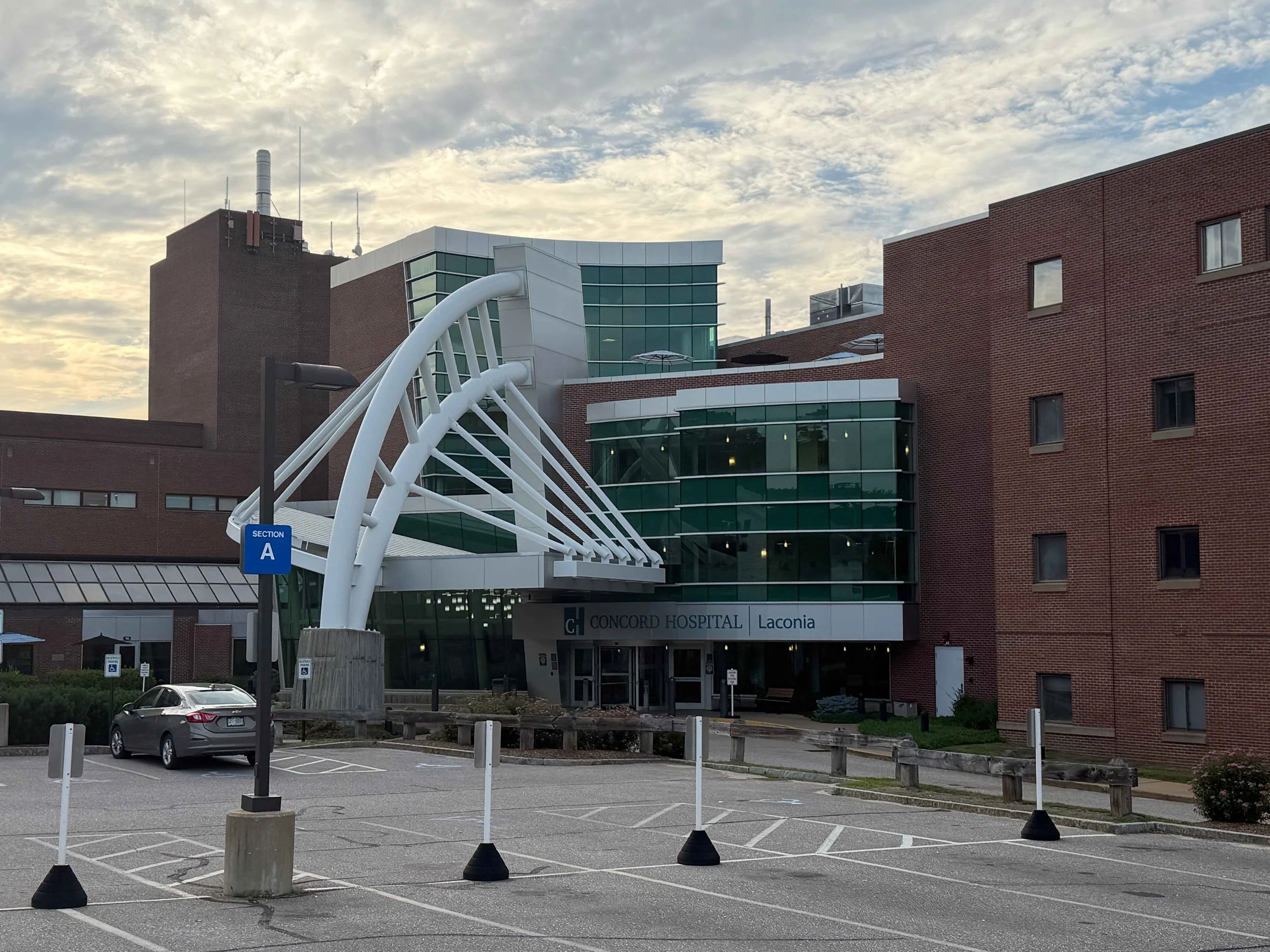
Concord Hospital acquired LRGHealthcare in late 2020 with a clear mission to preserve access to healthcare after the bankruptcy of Lakes Region General Hospital in Laconia and Franklin Regional Hospital. Nearly six years later, residents gathered at the Winnisquam High School in Tilton to discuss whether that promise has been fulfilled.
More than 50 people—including patients, healthcare workers, long-term care providers, physicians, hospital leaders, and community members—attended a June 24 public meeting hosted by the New Hampshire Healthcare Consumer Protection Advisory Commission (HCPAC). The initiative was part of the HCPAC’s ongoing effort to understand how hospital mergers and acquisitions affect New Hampshire residents.
Over two hours of testimony, participants described mixed experiences with healthcare in the Lakes Region, with praise for Concord Hospital's investments on one side, and concerns about primary care access, emergency department wait times, and patient communication, on the other.
"Primary Care Is the Backbone of Our Healthcare System"
Before Concord Hospital entered the scene, LRGHealthcare was already struggling. The group had accumulated more than $111 million in long-term debt while facing declining reimbursements, shrinking service lines, and a healthcare market increasingly favoring outpatient care. As the only bidder, Concord Hospital purchased the hospitals and affiliated practices for $30 million and promised to preserve healthcare access in the Lakes Region while creating a stronger, more sustainable regional system.
Speakers affiliated with Concord Hospital highlighted substantial investments made since the acquisition. Dr. Paul Clark, an internal medicine physician who became Concord Hospital's Primary Care Medical Director after the merger, said rebuilding primary care in the Franklin and Laconia regions was an immediate and sustained priority.
While acknowledging ongoing provider shortages, heightened by the departure of three physicians from Concord Hospital's Laconia Clinic in 2024, Dr. Clark said a recruitment campaign brought 37 physicians and advanced practice providers to the Lakes Region. He further added that this has allowed local practices to accept new patients and expand access by approximately 2,000 patients each year.
Concord Hospital Otolaryngology surgeon Dr. Jason Mangiardi, who served on LRGHealthcare's board before the bankruptcy, reflected on the acquisition from both sides of the transition. Recalling the uncertainty of 2020, he said Concord Hospital "saved healthcare in the Lakes Region," highlighting the investments made in replacing aging equipment, expanding surgical specialties, gastroenterology and radiology services, and workforce development.
Patients Described a Different Experience
Patients, however, painted a different picture, particularly regarding the relationships with their healthcare providers. Sandwich resident Siobhán Connelly said access to care has become more impersonal since the acquisition.
After experiencing an urgent medical situation with her son, Connelly called her primary care doctor, the same one for years, but reached a centralized call center instead of someone who knew her family's history. "The system is not honoring or respecting the patient-doctor relationships that have existed in these small communities," she said.
She also questioned whether the public had been adequately informed about the Commission's hearing. "If Concord Hospital seriously wants to know about how the acquisition impacts the people that it's serving, it should've announced this meeting better."
Michelle Hinton, of Franklin, echoed concerns about continuity of care after her longtime primary care physician left the system. Hinton also raised concerns about patient privacy, communication through the patient portal, and the increasingly limited time physicians have available for appointments. "When I message my doctor, I want to message my doctor. I don't want to hear from a stranger."
Long Waits, Emergency Care, and Workforce Shortages
While opinions differed about the acquisition itself, speakers repeatedly returned to one theme that is true across all health systems: healthcare capacity remains strained.
Residents described how those pressures translate into everyday experiences. Helen McSheffry described repeated emergency department visits with her husband, who has significant heart disease. She said waits at Concord Hospital's emergency department sometimes stretched from 12 hours to as long as 23 hours before treatment. While Laconia's waiting times are shorter, she noted that patients requiring specialized cardiac care are frequently transferred to Concord, leaving Laconia functioning primarily as a stabilization hospital for more complex cases and not a reliable local emergency resource for her family’s needs.
For Helen Hardenbergh, of Northfield, the transportation burden extends beyond patients. Since many emergency transfers in the Lakes Region require travel to Concord, Hardenbergh noted that local ambulance crews can spend hours transporting patients rather than remaining available for emergencies closer to home.
Long-Term Care Leaders See Both Progress and Persistent Challenges
Healthcare leaders serving older adults offered balanced perspectives. Crystal Hardy, Vice President of Clinical Programming at Taylor Community, praised improved communication between Concord Hospital and long-term care providers while acknowledging that emergency department wait times remain a major concern.
Hardy argued that many residents use emergency departments because primary care is unavailable, or because urgent care requires immediate payment that some patients cannot afford. She suggested that consumer education and financial assistance for urgent care visits could help reduce pressure on emergency departments.
Rosemary Simino, administrator of Golden View Health Care Center in Meredith, agreed that collaboration with Concord Hospital leadership has improved. However, she noted that the mobile laboratory and imaging service that existed before Concord Hospital acquired LRGHealthcare has disappeared, and stated that bringing back this service could alleviate the pressure on the local healthcare system to fill the gaps.
She also described broader systemic problems that extend well beyond a single hospital. "Healthcare is in crisis," she said, describing an underfunded and understaffed system struggling to meet growing community needs, where specialist appointments remain difficult to obtain, insurance choices continue to shrink, and workforce shortages persist.
Looking Beyond the Acquisition
As the meeting drew to a close, Concord Hospital’s President and CEO Robert Steigmeyer acknowledged the frustrations shared by many residents and apologized to those who had negative experiences with the healthcare system. He reiterated that Concord Hospital stepped in during LRGHealthcare's bankruptcy because it believed it had a responsibility to preserve local healthcare.
Although the community testimonies reached no consensus, many of the issues raised reflected challenges that are affecting hospitals across New Hampshire and the nation, including staffing shortages, financial pressures, and access to care.
As hospital consolidation continues to reshape healthcare across the state, the experiences shared by Lakes Region residents will help inform the Commission's ongoing work to evaluate how changes in ownership affect healthcare costs, access, quality, and transparency.
As the HCPAC continues its travel to regions across New Hampshire, a more extensive community outreach effort should be made by the Attorney General and local health care institutions to better inform and involve local healthcare consumers in these public listening sessions. Based on feedback received from local citizens, low turnout should not be viewed as a low level of concern among healthcare consumers, but more likely a low level of awareness of the meeting and the opportunity to be heard.